What is food mineral?

Minerals are inorganic elements that originate in the earth and cannot be made in the body. They play important roles in various bodily functions and are necessary to sustain life and maintain optimal health, and thus are essential nutrients.
Showing posts with label vitamin C. Show all posts

Saturday, June 8, 2024

Vitamin C: Enhancing Iron Absorption and Preventing Deficiency

Ascorbic acid, or vitamin C, is a chemically defined compound with the empirical formula C6H8O6 and a molecular weight of 176.13. This vital nutrient plays several essential roles in the human body, including the biosynthesis of collagen, L-carnitine, and certain neurotransmitters, and it is also involved in protein metabolism.

One of the significant functions of vitamin C is its ability to enhance the bioavailability of dietary iron. Iron, a crucial mineral for numerous physiological processes, is absorbed in the intestines from two different sources: heme and nonheme iron. Heme iron, found in animal products such as red meat, chicken, and fish, is absorbed more efficiently than nonheme iron, which is abundant in plant-based foods like whole grains, beans, fruits, and vegetables. The dominant form of iron in these foods is ferric iron (Fe3+), which is less bioavailable compared to ferrous iron (Fe2+).

Vitamin C dramatically improves the absorption of nonheme iron by reducing ferric iron to ferrous iron. This reduction is crucial because Fe2+ is the only form of iron that can be absorbed by the intestinal enterocyte cells via specific iron transporters. Ascorbic acid achieves this by creating a chelate with ferric iron at the acidic pH of the stomach, maintaining its solubility in the alkaline environment of the duodenum, the first section of the small intestine. Furthermore, ascorbic acid, in its salt form ascorbate, acts as a free radical scavenger and donates an electron to reduce iron oxidation states to Fe2+.

Interestingly, recent research has identified the role of ferrireductase Dcytb (duodenal cytochrome b), located at the brush border membrane of duodenal enterocytes, in reducing Fe3+ to Fe2+. This discovery suggests that ascorbic acid's primary function may be to promote iron solubility rather than directly reducing iron itself. However, the presence of ascorbic acid still significantly enhances iron absorption due to its chelating and solubility-promoting properties.

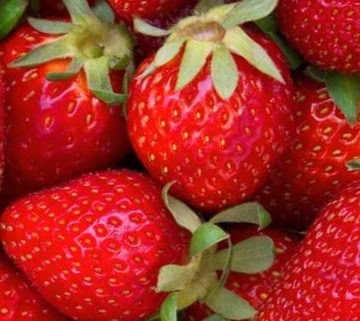
Practical dietary sources of vitamin C include citrus fruits, fresh bell peppers, strawberries, cantaloupe, and fresh broccoli. For instance, just four ounces (half a cup) of orange juice is sufficient to increase iron absorption. This is particularly important in preventing iron deficiency anemia, the most common nutritional deficiency worldwide.

Iron deficiency anemia occurs when there is inadequate iron absorption, leading to a reduced number of red blood cells or hemoglobin, and subsequently, insufficient oxygen transport in the body. Symptoms can range from fatigue and weakness to more severe complications if left untreated. Enhancing dietary iron absorption through vitamin C intake is a practical and effective strategy to combat this prevalent nutritional issue.

Overall, the interplay between ascorbic acid and iron absorption highlights the importance of a balanced diet rich in both vitamin C and iron. By understanding and utilizing the biochemical mechanisms at play, individuals can better manage their nutritional intake to prevent deficiencies and promote overall health.
Vitamin C: Enhancing Iron Absorption and Preventing Deficiency
Sunday, October 26, 2014

Copper relationship with other nutrients

Copper and zinc have an interesting relationship in that the deficiency of zinc causes an excess of copper to accumulate.

Researcher’s also shown that substances such as vitamins C, fiber and bile in excessive amounts can decrease the efficiency of copper absorption.  High intake of manganese also can interfere with copper absorption. Protein and fresh vegetable foods have been shown to improve copper absorption.

Copper levels are reduced if large amounts of zinc or vitamin C are consumed.

Supplementing diet with zinc can help rebalance the situation, but care must be taken to avoid taking too much zinc, which will cause a copper deficiency.

There was a hypothesis that an excess of zinc relative to copper may increase the risk factors for cardiovascular disease including elevated serum cholesterol and hypertension.

The consumption of high amount of fructose (fruit sugar) can make a copper deficiency significantly worse.
Copper relationship with other nutrients

Thursday, January 23, 2014

Ascorbic acid-iron interaction

One of the classical examples of a direct interaction between a vitamin and a mineral is the enhancing effect of ascorbic in non-heme iron absorption.

Ascorbic acid has an important role for iron nutrition in humans, and a deficiency interferes with iron metabolism.

For the absorption of dietary non-heme iron, ascorbic acid prevents the formation of insoluble and unabsorbed iron compounds or complexes and reduces the ferric ion to the ferrous ion, which seems to be requirements for the uptake of iron into mucosal cells.

The amount of ascorbic acid needed to inhibit phytate binding to iron depends on the amount of phytate present in the gastrointestinal tract.

The greater the amount of phytate that is present, the more ascorbic acid is required to reverse the inhibition.
The intestinal absorption of iron also is inhibited in the presence of the essential trace elements copper and zinc.

A four to fivefold increase in iron absorption is observed when ascorbic acids is added to the simultaneous application of iron and copper or iron and zinc when compared to application without ascorbic acid. 

Ascorbic acid affects the mobilization and distribution of minerals ions throughout the body. For example, ascorbic acid stimulates iron incorporation into ferritin from the iron bound transferrin, stabilizes ferritin and enhances iron-induced ferritin translation in human cells. All these activities are able to increase iron bioavailability.

Ascorbic acid supplements can cause a change in the distribution of iron in a patient suffering from iron overload, but not necessarily in other individuals.
Ascorbic acid-iron interaction

The Most Popular Articles

Selected articles