What is food mineral?

Minerals are inorganic elements that originate in the earth and cannot be made in the body. They play important roles in various bodily functions and are necessary to sustain life and maintain optimal health, and thus are essential nutrients.
Showing posts with label bones. Show all posts

Thursday, December 16, 2021

Calcium and bone

The name calcium is derived from Latin word calas meaning lime was known as early as the first centuries when the ancient Romans prepared lime as CaO.

There are two types of calcium. One type of calcium is tightly bound within the bone and the other more accessible type of calcium is found on the bone. The body contains about 2% of Ca and 98% of this is in the bones.

The skeleton serves as a bank of minerals for the body. It is a major reservoir for providing calcium for both the extracellular and intracellular pools. The body can borrow from the skeletal stores when blood calcium levels drop and return calcium to bones as needed.

The medication of parathyroid also is necessary for the withdrawal of calcium from the skeleton.

Generally sufficient calcium gets ingested through the normal through the normal diet. It gets from upper intestinal tract and is excrete through urine and faeces. As the upper portion of intestine, the condition is acidic, it tends to favor absorption of calcium. As calcium salts have better solubility.

Bone is constantly remodeled throughout life in response to mechanical stress and a need for calcium in extracellular fluids. Calcium and phosphate are released to blood during bone resorption and deposited into bone during bone formation.

A high protein diet especially derived from animal foods causes calcium loss in the body. The higher sulphur to calcium ratio of metal increases calcium excretion and a diet rich in meal can cause bone demineralization.
Calcium and bone
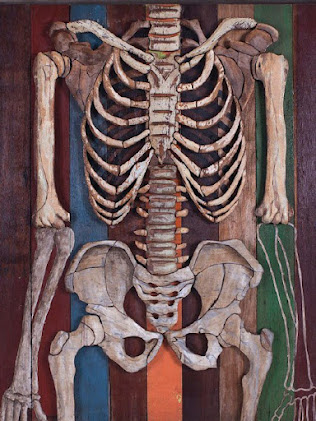
Tuesday, November 11, 2014

Calcium in human bones

The human skeleton consists of bone and cartilage. The word skeleton is derived form a Greek word that means ‘dried-up body’.

The human skeleton consists of 206 bones, discrete structures made of bone tissue. Bones are a reservoir of calcium and other minerals.  Bones continue to grow and develop up to early adulthood, therefore human need to eat foods high in calcium. The Food and Drug Administration recommends a daily intake of 800 to 1200 mg of calcium for children and adults.

Dairy products such as milk, cheese and yoghurt are the most concentrated easily absorbed sources of calcium. Bones release and absorb calcium as needed, thus helping to maintain normal blood levels. The major function of calcium is to act in cooperation with phosphorus to build, ossify and maintain bones and teeth.

Calcium in blood levels always maintain normal because it is required for muscle contraction. If the blood’s calcium concentration is too high hormones and vitamin D cause the calcium to be deposited in the bones.

Calcium provides the building material for bones and teeth.  During mineralization, calcium, phosphorus, magnesium and other minerals enter bone fluid from blood and then attach to bone proteins and ground substance. Phosphorus is thought to be laid down first; calcium is thought to then bind to the phosphorus.
Calcium in human bones

Monday, November 10, 2008

Boron

Boron
Boron is needed in trace amounts for healthy bones and muscle growth because it assists in the production of natural steroids compounds within the body. It is also necessary for the metabolism of calcium, phosphorus and magnesium.

Boron enhances brain function, promotes alertness and plays a role in how the body utilizes energy from fats and sugars. Most people are not deficient in boron. However, elderly people usually benefits from taking a supplement of 2 to 3 milligrams daily because they greater problems with calcium absorption. Boron deficiency accentuates vitamin D deficiency.

Boron helps to prevent post menopausal osteoporosis and build muscle. New research indicates that taking supplemental boron can shrink prostate tumor size, lower blood levels of prostate specific antigen and may help prevent prostate cancer. Studies have shown that in areas of the world where the level of boron in the soil is low there are the greater numbers of people suffering from arthritis.

Boron is found naturally in apples, carrots, grapes, dark green leafy vegetables, raw nuts, pears and whole grains.
Boron

The Most Popular Articles

Selected articles