What is food mineral?

Minerals are inorganic elements that originate in the earth and cannot be made in the body. They play important roles in various bodily functions and are necessary to sustain life and maintain optimal health, and thus are essential nutrients.
Showing posts with label calcium. Show all posts

Thursday, November 21, 2024

Mangosteen: A Nutrient-Packed Superfruit for Optimal Health

Mangosteen, known as the "queen of fruits," is celebrated for its delectable flavor and impressive nutritional profile. Among its notable benefits is its rich mineral content, which plays a vital role in promoting overall health and well-being.

One of the key minerals in mangosteen is potassium, an essential nutrient for cardiovascular health. Potassium aids in maintaining proper heart function by regulating heartbeat and blood pressure. It also balances body fluids and supports muscle contractions, including the heart's. Research shows that potassium-rich diets can significantly reduce the risk of hypertension, stroke, and kidney stones, emphasizing the importance of including foods like mangosteen in your diet.

Another significant mineral in mangosteen is magnesium, which is involved in over 300 enzymatic processes in the body. This mineral supports energy production, protein synthesis, and the proper functioning of muscles and nerves. Additionally, magnesium contributes to bone health and helps regulate blood sugar levels, making it a critical component for preventing conditions like osteoporosis and type 2 diabetes.

The fruit also provides calcium, an essential element for building and maintaining strong bones and teeth. Calcium is pivotal for muscle function, nerve transmission, and blood clotting. Regular consumption of calcium-rich foods like mangosteen can help prevent bone-related conditions such as osteoporosis, particularly in older adults.

Another valuable mineral in mangosteen is iron, crucial for the formation of hemoglobin, the oxygen-carrying protein in red blood cells. Adequate iron intake supports energy metabolism, cognitive function, and immune health. Iron deficiencies, which are common globally, can lead to anemia, fatigue, and weakened immunity, making mangosteen a helpful dietary inclusion.

Moreover, mangosteen is rich in antioxidants like xanthones, which enhance the fruit’s health benefits by combating oxidative stress, a contributor to chronic diseases. The combination of essential minerals and potent antioxidants underscores mangosteen’s role as a superfruit.

In conclusion, mangosteen is not only a tropical delight but also a nutrient powerhouse. Its diverse mineral content makes it a valuable addition to a balanced diet, supporting heart health, bone strength, energy production, and immune function.
Mangosteen: A Nutrient-Packed Superfruit for Optimal Health

Thursday, August 1, 2024

Essential Minerals: Key Roles, Sources, and Health Benefits

Minerals are essential for normal body functions, playing a vital role in growth and maintenance. Key minerals include water, common salt, calcium, magnesium, iron, sodium, potassium, chlorine (from salt), sulfur, phosphorus, and silicon. Unlike other nutrients, minerals consist of single atoms and carry a charge in solution. This property allows them to combine with other minerals to form stable complexes in bones, teeth, cartilage, and other tissues.

Iron is a crucial mineral, forming part of the blood pigment hemoglobin and the muscle pigment myoglobin. It is also a component of several body enzymes. Iron absorption occurs when iron enters the intestinal mucosa cell through the brush border membrane. A deficiency in iron leads to anemia, characterized by fatigue, weakness, and pallor. To prevent such deficiencies, it is essential to consume iron-rich foods like liver, animal muscle tissues, eggs, oatmeal, wheat flour, cocoa, and chocolate. The recommended daily intake of iron is approximately 10.0 mg.

Recent studies have highlighted the importance of maintaining adequate mineral levels for overall health. For example, magnesium is involved in over 300 biochemical reactions in the body, including energy production and muscle function. Potassium is vital for proper heart and muscle function, while calcium is essential for bone health and muscle contraction.

In addition to the sources mentioned, many foods are rich in essential minerals. Dairy products like milk, cheese, and yogurt are excellent sources of calcium. Green leafy vegetables such as spinach and kale provide magnesium, potassium, and calcium. Nuts and seeds, including almonds, sunflower seeds, and chia seeds, are packed with magnesium and phosphorus. Whole grains like brown rice and quinoa are good sources of magnesium, iron, and zinc.

In the modern diet, there is an increased emphasis on bioavailability—the degree to which a nutrient is absorbed and utilized by the body. Factors such as the presence of other nutrients, the form of the mineral, and the individual's health status can affect bioavailability. For iron, consuming it with vitamin C-rich foods can enhance its absorption, while phytates in certain grains can inhibit it.

In conclusion, minerals are indispensable for various bodily functions and overall health. A balanced diet rich in diverse foods ensures adequate mineral intake, supporting growth, energy production, and the prevention of deficiencies. Incorporating a variety of mineral-rich foods such as dairy products, green leafy vegetables, nuts, seeds, and whole grains can help maintain optimal health and well-being.
Essential Minerals: Key Roles, Sources, and Health Benefits

Tuesday, May 21, 2024

The Vital Role of Calcium in Bone Health and Overall Wellness

Calcium is a major mineral essential for healthy bones and teeth, playing a critical role in overall health. Minerals such as calcium, magnesium, phosphorus, sodium, chloride, and potassium are vital to human health and must be obtained from food. These major minerals are required in significant quantities as they are integral to numerous bodily functions.

Minerals perform three primary functions in the body. First, they form the structural components of the skeleton, providing strength and support. Second, they exist as soluble salts, helping to regulate the composition of body fluids, maintaining acid-base balance, and ensuring proper nerve function. Third, minerals act as essential cofactors in enzymatic reactions and protein functions, facilitating metabolic processes and cellular activities.

Calcium can be sourced from various plant and animal foods. Excellent plant sources include tofu (especially when prepared with calcium sulfate, containing over four times the calcium of whole cow's milk), green leafy vegetables, broccoli, legumes, nuts, whole grains, and seeds. These sources are particularly beneficial for those following plant-based diets. Dairy products are the predominant source of calcium in the typical American diet, with nonfat milk being particularly nutrient-dense due to its high calcium content and low fat and calorie levels. Additionally, hard water can contribute up to 200 mg of calcium daily, though soft water lacks this benefit. Other calcium-rich foods include blackstrap molasses, edible seaweeds, watercress, parsley, and dried figs. Non-dairy yogurt is also an excellent source of calcium, catering to those who are lactose intolerant or vegan.

The body absorbs 25 to 75 percent of dietary calcium, with efficiency influenced by age, vitamin D levels, physiological need, and overall calcium intake. Absorption rates are higher during periods of growth, such as pregnancy and infancy, and lower in older adults. Adequate calcium intake is crucial for preventing deficiencies that can lead to poor bone and teeth formation. Severe calcium deficiency may cause rickets in children, characterized by weak and soft bones, and osteomalacia in adults, leading to bone pain and muscle weakness.

In conclusion, calcium is indispensable for maintaining strong bones and teeth, and overall health. A balanced diet that includes a variety of calcium-rich foods is essential for ensuring adequate intake and preventing deficiency-related health issues.
The Vital Role of Calcium in Bone Health and Overall Wellness

Tuesday, October 3, 2023

Calcium in milk

The average adult’s weight is made up of about 2% calcium. Most of this is found in the skeleton and teeth - the rest is stored in the tissues or blood.

Drinking milk is a great way to fulfill day-to-day dietary requirements, thanks to its rich nutrient profile and high calcium content. Dairy foods, such as milk, yogurt and cheese, are the main food source of calcium for most people in the U.S.

The National Institute of Health recommends a daily dietary allowance of 1000 mg for adults under 50, and 1200 mg for older adults.

One cup of milk provides around 300 mg calcium. Calcium-fortified milks can provide larger amounts of calcium in a smaller volume of milk - ranging from 280 mg to 400 mg per 200 ml milk.

Low-fat milk contains 1% fat as opposed to the 3.25% fat of whole milk. Low-fat milk has a higher calcium content by weight than whole milk. An 8-ounce cup meets 29% of daily value of calcium.

Calcium is a mineral most often associated with healthy bones and teeth, although it also plays an important role in:
*Clotting blood
*Nerve function
*Regulating normal heart rhythms
*Supporting healthy blood pressure
*Maintaining heart health

Calcium deficiency may lead to disorders like osteoporosis, a disease in which bones become fragile and brittle later in life. Osteoporosis affects both men and women.
Calcium in milk

Thursday, February 3, 2022

Absorption of calcium in small intestine

A constant supply of calcium is necessary throughout our lifetime, but is especially important during phases of growth, pregnancy, and lactation (breast feeding). Ninety-nine percent of body calcium is stored in bone in the form of hydroxyapatite crystal [Ca10(PO4)6(OH)2], while the remaining 1% is distributed in the plasma, interstitium, intracellular fluid, and within the cells in mitochondria and endoplasmic reticulum.

The intestinal calcium absorption is a crucial physiological process to maintain bone mineralization and calcium homeostasis. It occurs through transcellular and paracellular pathways: a transcellular active transport process, located largely in the duodenum and upper jejunum; and a paracellular, passive process that functions throughout the length of the intestine. Both pathways are regulated by hormones, nutrients and other factors.

The small intestine represents the major site of active calcium absorption in most species; it is responsible for approximately 90% of the total calcium absorption, whereas the rate of absorption in the colon appears to be less than 10%.

Dietary calcium is absorbed in the small intestine with the help of vitamin D. The level of calcium absorption from dietary sources drops to 7 in post-menopausal women. The body will absorb more calcium if there is a deficiency.

The largest quantity, 65% of the absorbed calcium occurs primarily by passive transport in the ileum. In the jejunum the intestinal calcium absorption is about 17%, and in duodenum 8%. In the duodenum and jejunum there is active calcium transport in addition to passive transport.

Factors that improve calcium absorption include adequate amounts of protein, magnesium, phosphorous, and vitamin D.

Conditions that reduce calcium absorption include high or excessive intakes of oxalates and phytates, found in foods such as spinach and unleavened whole wheat products.

Calcium deficiency can increase risk of bone disorders such as osteoporosis. It is well known that calcium is involved in the nerve impulse transmission, muscle contraction, blood coagulation, secretory activity, cell death, cell differentiation, immune response and enzyme activation. The dysregulation of calcium homeostasis is associated with bone disorders, metabolic diseases, and increment in the risk of epithelial cancers.
Absorption of calcium in small intestine

Thursday, December 16, 2021

Calcium and bone

The name calcium is derived from Latin word calas meaning lime was known as early as the first centuries when the ancient Romans prepared lime as CaO.

There are two types of calcium. One type of calcium is tightly bound within the bone and the other more accessible type of calcium is found on the bone. The body contains about 2% of Ca and 98% of this is in the bones.

The skeleton serves as a bank of minerals for the body. It is a major reservoir for providing calcium for both the extracellular and intracellular pools. The body can borrow from the skeletal stores when blood calcium levels drop and return calcium to bones as needed.

The medication of parathyroid also is necessary for the withdrawal of calcium from the skeleton.

Generally sufficient calcium gets ingested through the normal through the normal diet. It gets from upper intestinal tract and is excrete through urine and faeces. As the upper portion of intestine, the condition is acidic, it tends to favor absorption of calcium. As calcium salts have better solubility.

Bone is constantly remodeled throughout life in response to mechanical stress and a need for calcium in extracellular fluids. Calcium and phosphate are released to blood during bone resorption and deposited into bone during bone formation.

A high protein diet especially derived from animal foods causes calcium loss in the body. The higher sulphur to calcium ratio of metal increases calcium excretion and a diet rich in meal can cause bone demineralization.
Calcium and bone

Tuesday, November 24, 2020

Major minerals important to human health

The main minerals that keep human health intact and prevent from getting ill with a wide range of diseases are: Calcium, Magnesium, Potassium and Iron. They all strengthen the natural defense shield of immune system. Moreover, they have tones of other benefits on the main organs and functions of human body.

Calcium is the most abundant mineral in the body. Around 99 percent of calcium is stored in bones and teeth, where it supports their structure and function. The remaining one percent is used to support metabolic functions. Calcium is important for helping muscles relax and contract; important in nerve functioning, blood clotting, blood pressure regulation, immune system health.

Magnesium is the sixth most abundant mineral in the body Magnesium helps manage muscle and nerve function, control blood glucose levels, regulate blood pressure, and make DNA, protein and bones. It works with calcium to assist in muscle contraction, blood clotting, and the regulation of blood pressure and lung function.

Potassium is the third most abundant mineral in the body and is an electrolyte that helps with proper nerve and muscle functions including the beating of the heart.

Iron helps make many proteins, including hemoglobin, a protein that carries oxygen to body tissues, and myoglobin, which brings oxygen to the muscles. Human body also uses iron for growth and development, and to make some connective tissue and hormones. Part of a molecule (hemoglobin) found in red blood cells that carries oxygen in the body and it needed for energy metabolism.
Major minerals important to human health

Friday, July 19, 2019

Minerals in cocoa and chocolate products

Cocoa and chocolate contain a number of minerals. Cocoa has the potential to provide significant amount of minerals in the human diet, in particular copper, iron, magnesium, calcium, potassium and zinc.

Potassium, magnesium and calcium are the most abundant minerals in cocoa powder. The mineral content of the cocoa is dependent on the soil condition in which the cacao is grown.

Cocoa and cocoa products contain relatively higher amounts of magnesium compared to black tea, red wine, and apples. Magnesium is involved in catalyzing multitude biological reactions, including protein synthesis, transmission of nerve impulse, muscle relaxation, energy production and bone and teeth adsorption.

The final concentrations of minerals in chocolate products are dependent on the amount of non-fat cocoa solids, the amount of cocoa butter and the presence of other ingredients including milk and nuts which can enhance the levels of certain minerals.

A 100 g bar of plain chocolate is able to supply 24% of the copper needed in a healthy diet, whilst milk and white chocolate are a relatively good source of calcium, which is widely regarded as being beneficial in maintaining strong bones.

Dark chocolate typically has higher amounts of minerals than milk chocolate. Dark chocolate is plentiful in magnesium, important for brain functioning. It also boast other nutrients, such as copper, iron, manganese and zinc.
Minerals in cocoa and chocolate products

Thursday, September 20, 2018

Feijoa fruit mineral content

Feijoa (Feijoa sellowiana Berg or Acca sellowiana) is a plant species of the family Myrtaceae, native to the southern Brazilian plateau, northeastern Uruguay and Argentina.

The feijoa, also known as pineapple guava or guavasteen, is an evergreen shrub or small tree which produces small, tasty fruit in late summer and early fall. Feijoa fruit like the guava is a good source of Vitamin C with low in calories and a rich source of minerals and fiber.

The most notable feature of the mineral nutrition of developing feijoa fruit was that the calcium, magnesium and potassium content of the fruit continued to increase until the fruit fell from the tree.

The micromineral contents, such as iron, copper and zinc, did not present significant variations throughout the ripening stages.

Although it is usually for the potassium content of fruit to increase with growth, the movement of calcium and magnesium into fruit often ceases at a comparatively early stage of fruit growth. The calcium and magnesium concentration in the fruit declined during the initial stages of fruit growth (40 -80 days after anthesis), but declined only slightly or not at all during the phase of rapid growth.

Because calcium is relatively immobile in the phloem, and is conducted to developing fruit via the xylem it has been suggested that calcium movement into fruit it reduced when the xylem ceases to become the main channel for nutrient flow into fruit.

Although this phenomenon may occur in many fruit trees, calcium and other nutrients may be supplied to feijoa fruit during its final growth phase by the xylem. Calcium, magnesium, and potassium content of feijoa fruit increased throughout maturation.
Feijoa fruit mineral content

Tuesday, December 26, 2017

Mineral contents in apple juice

Drink at least 2 glasses of this juice every day. Apple juice has a high level of minerals and vitamins, which makes it ideal for skin health.

Before putting the apples through the juice extractor, pour a little lemon or pineapple juice over the cut fruit as this will prevent the apples turning brown.

The core of the apples as well as the skin should be put through the machine, as these contain valuable mineral elements also. Apple juice carries over the following minerals: potassium, phosphorus, chlorine, sodium, magnesium, calcium, sulfur, iron, fluorine, silicon and many trace minerals.

Potassium helps to maintain human body electrolyte balance -- the amount of electrolytes, or minerals, dissolved in the water in and around the cells. While most of the calcium goes toward maintaining the skeleton, teeth and bones which are contain 99 percent of the total calcium.
Mineral contents in apple juice

Thursday, August 3, 2017

Minerals involve in metabolic reactions

Minerals or inorganic elements are needed by human body to maintain many of their metabolic processes and to provide material for major structural elements.

Calcium has a role as a cofactor in many enzymatic reactions, acting as an activator (e.g adenosine triphosphatase or stabilizer) of enzymes and it is necessary for secretion of a number of hormones and hormone-releasing factors.

Phosphorus also has roles in a number of metabolic reactions. Phosphorus is involved in almost every aspect of food metabolism and utilization of fat, carbohydrate, protein and other nutrients in the body.

Like calcium and phosphorus, magnesium is also important as a cofactor in a number of metabolic reactions and seems to particularly important in maintaining muscle tone.
Although certain mineral ions (e.g., calcium, magnesium and iron) enhance the activity of enzymes by serving cofactors, other heavy metal ions (e.g., lead, zinc, mercury and arsenic) usually act as poisons to the cell.

These toxic ions inhibit enzyme activity by replacing the cofactors at the combining site of the enzyme, thus inhibiting normal metabolic processes.
Minerals involve in metabolic reactions

Tuesday, May 9, 2017

Calcium and phosphorus in human bone

Bone is a living n tissue that changes in response to physical stresses. Bone also encases the marrow, the source of many types of blood and immune cells, and it serves as the reserve note for minerals such a calcium and phosphorus.
Hydroxyapatite
When bones first develop, protein forms sort of scaffolding that filled in with the minerals calcium and phosphorus. Calcium and phosphorus are what bones hard and unlikely to break. While the collagen fibers to provide strength and flexibility.

Most of the calcium in bone is in the form of hydroxyapatite - a crystalline mineral complex of calcium and phosphorus.

Hydroxyapatite is the most important among the calcium compounds since it is found in natural hard tissues as mineral phase. Hydroxyapatite acts as reinforcement in hard tissues and is responsible for the stiffness of bone, dentin and enamel.
Calcium and phosphorus in human bone

Tuesday, October 18, 2016

Vitamin D and the absorption of calcium

Vitamin D increases calcium absorption by the intestines. Calcitriol, the active form of vitamin D, increases the production of calcium-binding proteins in the lining of the small intestine. The resulting increase in plasma calcium suppresses the secretion of preformed PTH by chief cells of the parathyroid gland.

The rate of calcium absorption seems to be directly proportional to the quantity of calcium binding proteins. Calcitriol’s primary regulatory role involves keeping blood calcium and phosphorus levels within a normal range. Calcitriol (1,25(OH)2D3) is the dihyroxylated form of vitamin D3.

Calcitriol
Calcitriol acts in concert with two other hormones: parathyroid hormone (PTH) from the parathyroid glands and calcitonin from the thyroid gland.

Together, levels of these three harmonies continually rise and fall, adjusting blood calcium levels by changing urinary calcium excretion, intestinal calcium absorption and the flow of calcium in and out of bone.
Vitamin D and the absorption of calcium

Friday, July 8, 2016

Can soft drinks cause osteoporosis?

Bone mass peaks in the early 30s. After this age most people lose approximately one percent of bone mass a year. As more and more bone is lost, the bone becomes weaker and more brittle, a condition known as osteoporosis.

The large amounts of sugar, bubbles caused by carbon dioxide, and phosphoric acid that are found in soft drinks remove nutritious minerals from bones allowing the bones to become weak and increasing the risk for them to break.

Soft drinks induce acidosis and osteoporosis may result to loss of calcium from the bone (part of the buffering system of the body, which maintains the acid-base balance of the body critical for life).

When phosphate levels are high and calcium levels are low, calcium is pulled out from their storage warehouse – that is, their teeth and bones.

The result is osteoporosis – that is, loss of density of bones, back and disc trouble, pyorrhea and of course, decayed teeth.

Osteoporosis is been disease characterized by a reduction of bone mass and deterioration of the micro-architecture on the bone leading to bone fragility. Health impact of osteoporosis is increased risk of fractures.

Osteoporosis usually starts with collapse of the upper and lower plates of the vertebrae and protrusion into the vertebral bodies. This deficiency in calcium intake and increased consumption of soft drinks is a greater problem for women than for men.

On average, women reported drinking five carbonated drinks a week, four of them colas. Calcium intake was lower for women who drank the most cola.

Refined sugar intake also increases the loss of calcium from the bone. Regular consumption of refined sugar increases loss of calcium from the blood through the urine.

Calcium is then pulled from the bones to maintain blood calcium levels, as foods containing refined sugar generally do not contain calcium.
Can soft drinks cause osteoporosis?

Monday, April 13, 2015

Physiological factors affecting calcium absorption

Many physiological factors influence Ca absorption, in particular whether or not the subject is Ca deficient or repleted.

Total calcium absorbed keeps increasing with load. Consequently, calcium absorption efficiency is greater if calcium is ingested in divided doses throughout the day.

However, with a high enough intakes at one time, the calcium need for the day can be met from an increasing proportion of paracellular absorption. Girls on low calcium intakes had higher calcium absorption efficiency.

The efficiency of calcium absorption is also strongly influenced by physiological stages of life including: lactation , adolescence, aging and habitual dietary Ca intake.

There was indication that there is a progressive decrease in intestinal Ca absorption with advanced age, particularly over age 70.

Another major physiological factor is the effect of vitamin D on Ca absorption by the intestine.
Physiological factors affecting calcium absorption

Tuesday, March 10, 2015

What is calcitonin?

Calcitonin was discovered more than 45 years ago as a hormone that lowers circulating calcium levels.

The discovery of calcitonin established the presence of a new regulatory system for calcium homeostasis. Calcitonin, a hormone isolated from the human thyroid gland, is a single-chain, 32 amino acid polypeptide with a molecular weight of 3600.

Calcitonin is produced by the mitochondria-rich parafollicular or C-cells of the thyroid and is secreted in response to elevations in plasma calcium  concentration and in response to a numb her of gut hormones, including gastrin and glucoagon.

Other tissue sources of calcitonin include the pituitary, a variety of neuroendocrine cells, and carcinomatus lesions such as medullary thyroid carcinoma and small cell lung cancer.

Bone and kidney are the two primary targets of calcitonin and both are important for the activity of calcitonin to acutely decrease circulating levels of calcium.

In bone, calcitonin acts directly on osteoblasts, reducing calcium release into the plasma through inhibition of bone resorption, whereas in the kidneys calcitonin reduces reabsorption of both calcium and phosphorus, producing a modest increase in excretion of both ions. The former may contribute to the hypocalcaemic effect of pharmacologic effect of pharmacologic doses of calcitonin.
What is calcitonin?

Saturday, December 27, 2014

What are osteoclasts?

Osteoclasts are a large multinucleate bone cell which absorbs bone tissue during growth and healing originating from bone marrow via the circulation.

Osteoclasts are unique, highly specialized cells, which arise from the bone marrow. Young osteoclast circulates in the blood and can move to sites where bone resorption is required.

Osteoclasts start the process by boring tiny holds into solid bone so that other specialized cells, called osteoblasts, can refill the open spaces with fresh bone.

At that point, crystals of calcium, the best known dietary bone builder, glom onto the network of new bone cells to harden and strengthen the bone.

Osteoclasts break down bone by the production of enzymes (TRACP and Cathepsin K), which are transported in little balloons and secreted through the ruffled border. It is into this sealed microenvironment that hydrogen ions and proteolytic lysosomal enzymes are secreted which dissolved the mineral phase and digest the organic phase, respectively.

Osteoclasts also produce acid and work by dissolving the bone crystals and digesting the collagen fibers.
What are osteoclasts?

Friday, December 12, 2014

Roles of calcium in muscle contraction

Calcium has a central role in muscle contractions and it is obtained from extracellular and intracellular sources.

An elevation of intracellular calcium concentrations to about 1 uM is an absolute requirement for smooth muscle contraction, and a reduction in smooth muscle calcium concentration is considered mechanism of smooth muscle relaxation.

Calcium sits at a critical location on the muscle fiber, facilitating the interaction of the muscle proteins myosin and actin.

Stimulation of muscle fibers by nerve impulses, hormones, or stretch in the fiber increases the amount of calcium in the muscle cells and causes the muscle to contract. Calcium binds to calmodulin, causing structural changes that allow calmodulin to bind and activate myosin light chain kinase.

In the presence of calcium and calmodulin, this kinase phosphorylates a light chain of myosin. This result in structural changes in the thick filament, which then allow its interaction with actin, actomyosin ATPase activity and smooth muscle contraction.

As the cells pump calcium ions back outside, the muscle relaxes.
Roles of calcium in muscle contraction

Saturday, November 29, 2014

Calcium role in blood coagulation

When blood vessels rupture, process of blood coagulation is quickly activated.

Adequate calcium ions in the plasma are required in all phases of many of blood coagulation, and blood will not clot in the absent of calcium.  A number of blood proteins, called congratulation factors require Ca2+ ions for activity.

This mineral is essential for the formation of fibrin, the fibrous protein that makes up the structure of blood clots.

In most instances, the calcium binding sites appear to stabilize the fold of proteins but calcium ions may also directly involved in enzymes activation, enzyme –cofactor and domain-domain interaction, as well as in membrane binding.

Blood clot formed at the end of coagulation process is composed of a meshwork of fibrin threads running in all directions along who entrapped blood cells, platelets and plasma.
Calcium role in blood coagulation

Tuesday, November 11, 2014

Calcium in human bones

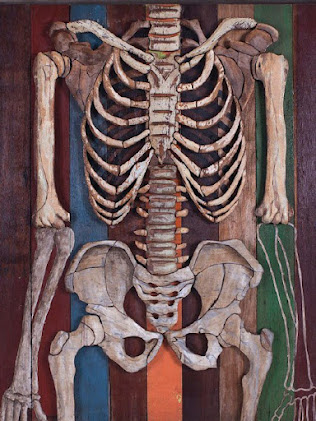
The human skeleton consists of bone and cartilage. The word skeleton is derived form a Greek word that means ‘dried-up body’.

The human skeleton consists of 206 bones, discrete structures made of bone tissue. Bones are a reservoir of calcium and other minerals.  Bones continue to grow and develop up to early adulthood, therefore human need to eat foods high in calcium. The Food and Drug Administration recommends a daily intake of 800 to 1200 mg of calcium for children and adults.

Dairy products such as milk, cheese and yoghurt are the most concentrated easily absorbed sources of calcium. Bones release and absorb calcium as needed, thus helping to maintain normal blood levels. The major function of calcium is to act in cooperation with phosphorus to build, ossify and maintain bones and teeth.

Calcium in blood levels always maintain normal because it is required for muscle contraction. If the blood’s calcium concentration is too high hormones and vitamin D cause the calcium to be deposited in the bones.

Calcium provides the building material for bones and teeth.  During mineralization, calcium, phosphorus, magnesium and other minerals enter bone fluid from blood and then attach to bone proteins and ground substance. Phosphorus is thought to be laid down first; calcium is thought to then bind to the phosphorus.
Calcium in human bones

The Most Popular Articles

Selected articles